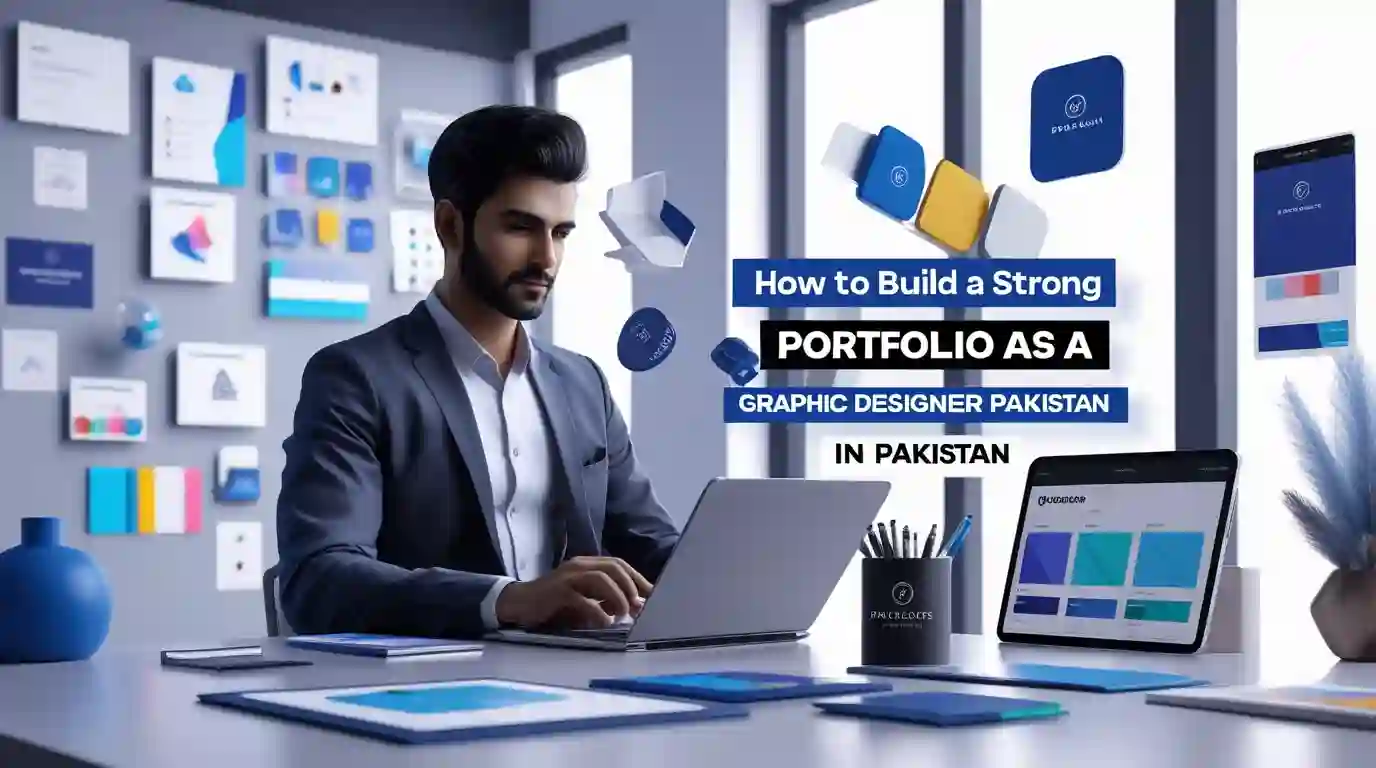
Building a strong graphic design portfolio is your ticket to landing dream clients and high-paying jobs in Pakistan's growing creative industry. Whether you're a fresh graduate from a graphic designing course in Karachi, Lahore, or Islamabad, or a self-taught designer looking to break into freelancing, your portfolio is the single most important tool in your career arsenal. It showcases your creative vision, technical skills, and problem-solving abilities in ways that no resume ever could. In this guide, we'll walk you through everything you need to create a portfolio that opens doors and attracts opportunities in Pakistan's competitive design market.
What is a Graphic Design Portfolio?
A graphic design portfolio is a curated collection of your best creative work that demonstrates your design skills, style, and expertise to potential clients or employers. Think of it as your visual resume—a designer showcase that tells the story of who you are as a creative professional.
Your portfolio should include visual design work across various projects like branding materials, logo design samples, social media graphics, UI/UX design projects, and print design examples. Unlike a traditional resume that lists your qualifications, a portfolio provides tangible proof of what you can actually create.
For Pakistani graphic designers, having a professional design portfolio is especially important because the local design industry is becoming increasingly competitive. With thousands of designers graduating from graphic design institutes in Lahore, Karachi, and Islamabad every year, your portfolio is what sets you apart from the crowd.
Why Building a Strong Portfolio Matters in Pakistan
The creative industry in Pakistan has experienced remarkable growth over the past decade. From small startups in Rawalpindi to major creative agencies in Karachi, everyone needs talented designers. However, the job market is also more competitive than ever before.
Here's why portfolio building for graphic designers is critical in Pakistan:
Opening Doors to Freelance Opportunities: Pakistan ranks among the top countries on platforms like Fiverr and Upwork. A strong portfolio helps you compete with international designers and attract high-paying clients from around the world.
Landing Local Jobs: Whether you're applying to design companies in Karachi or creative agencies in Lahore, employers want to see your work before they interview you. Your portfolio often determines whether you get that first interview call.
Building Credibility: In a market where anyone with Canva access calls themselves a designer, a professional portfolio establishes you as a serious creative professional who understands design principles and can deliver real results.
Setting Your Rates: A well-organized portfolio with strong case studies helps justify your pricing. When clients see the value you've delivered to previous projects, they're more willing to pay professional rates.
The design market in Pakistan is particularly strong in cities like Lahore, known for its vibrant creative community, Karachi with its corporate design needs, and Islamabad where government and tech sectors require design services.
Essential Elements to Include in Your Design Portfolio
Creating a portfolio from scratch can feel overwhelming, but breaking it down into key components makes the process manageable. Here's what every beginner graphic designer portfolio should include:
Your Best Work (Quality Over Quantity)
Start with 8 to 12 of your strongest projects. Many designers make the mistake of including everything they've ever created. Remember, a portfolio is not an archive—it's a highlight reel. Each project should demonstrate a specific skill or style.
Include diverse work that shows your range: a branding project with logo design samples, some social media graphics, packaging design work, and perhaps UI/UX design projects if that's part of your skill set. Pakistani designers should also consider including work that resonates with local businesses and cultural contexts.
Detailed Case Studies
Case studies transform your portfolio from a simple image gallery into a compelling story. For each major project, explain the client's challenge, your design process, the tools you used (Adobe Photoshop, Illustrator work, CorelDRAW projects), and the results achieved.
A case study might look like this: "A local restaurant in Lahore needed a complete brand identity. I conducted market research, created mood boards, developed three logo concepts, and delivered a final brand package including menu designs and social media templates. The client reported a 40% increase in customer engagement within two months."
These narratives help potential clients understand not just what you designed, but how you think and solve problems.
Personal and Passion Projects
Can you build a portfolio without client work? Absolutely. Personal projects are especially valuable for students and beginners. Create fictional brands, redesign existing logos, develop concept work for causes you care about, or participate in design challenges on Behance or Dribbble.
These projects show initiative, creativity, and genuine passion for design—qualities that clients and employers value highly. Many successful Pakistani designers built their first portfolios entirely with self-initiated projects before landing their first paying clients.
About Section and Contact Information
Don't hide behind your work. Include a brief section about yourself that covers your design philosophy, the types of projects you enjoy, and your professional background. Mention if you've completed a graphic designing course in Islamabad or have specialized training.
Make it incredibly easy for people to contact you. Include your email, phone number, and links to your professional profiles on LinkedIn, Behance, and other relevant platforms.
Choosing the Best Platform for Your Portfolio
The platform you choose affects how people perceive your work. Here are the most popular options for Pakistani graphic designers:
Behance Portfolio
Behance is the go-to platform for creative professionals worldwide. It's free, has excellent SEO, and is backed by Adobe. The Behance community is active, providing opportunities for networking and getting your work discovered. Many design recruiters in Pakistan specifically search Behance when looking for talent.
The downside is that you have less control over customization and you're competing with millions of other portfolios.
Custom WordPress Portfolio
Building your own portfolio website using WordPress gives you complete creative control. You can customize every aspect to match your personal brand. It's also more professional and memorable—having your own domain (like yourname.com) looks more established than a Behance profile.
The challenge is that it requires some technical knowledge and hosting costs (though affordable options exist in Pakistan starting from around 500-1000 PKR monthly).
Wix Portfolio and Squarespace Design
These website builders offer beautiful templates specifically designed for portfolios. They're user-friendly, requiring no coding knowledge, and include built-in SEO tools. Wix portfolio templates are particularly popular among Pakistani designers starting out.
Adobe Portfolio
Free with any Adobe Creative Cloud subscription, Adobe Portfolio integrates seamlessly with Behance and offers clean, professional templates. If you're already paying for Photoshop or Illustrator, this is an excellent option.
Instagram Portfolio
While not a replacement for a proper portfolio website, Instagram can serve as a supplementary showcase. Many freelance designers in Pakistan use Instagram to share bite-sized work samples and attract local clients who prefer social media communication.
Pro Tip: Use multiple platforms. Maintain a comprehensive portfolio website while also keeping active profiles on Behance and Instagram. This multi-channel approach maximizes your visibility.
How to Organize Your Portfolio Effectively
Organization matters as much as the work itself. Here's the best way to organize your graphic design portfolio:
Group by Project Type: Create categories like Branding, Print Design, Social Media, Web Design, and Packaging. This helps visitors find relevant work quickly and shows the breadth of your capabilities.
Lead with Your Strongest Work: Your first project is critical—it sets the tone for everything that follows. Don't bury your best work five projects deep. Put your most impressive, most relevant work right at the top.
Tell a Story: Arrange projects in a logical flow. If possible, show progression—how you've grown and developed as a designer. This narrative approach makes your portfolio more engaging and memorable.
Keep It Updated: Set a reminder to review and update your portfolio every three months. Remove older, weaker work and add new projects that better represent your current skill level. An outdated portfolio suggests you're not actively working or growing.
Building Your Portfolio: A Step-by-Step Guide for Pakistani Designers
Let's walk through the practical steps of creating your portfolio from scratch:
Step 1: Audit Your Work - Gather everything you've created: class projects from your graphic design training in Islamabad, freelance work, personal projects, even practice exercises. Don't filter yet—just collect.
Step 2: Select Your Best 10-15 Projects - Be ruthlessly honest about quality. Ask mentors or fellow designers for feedback. Choose work that demonstrates different skills and styles. Include at least one project that shows research and process, not just final designs.
Step 3: Create Case Studies - For your top 3-5 projects, write detailed case studies. Include the project brief, your creative approach, challenges faced, tools used, and outcomes. Add process shots like sketches, wireframes, or multiple iterations to show your thinking.
Step 4: Photograph or Mockup Your Work Professionally - Presentation matters enormously. Use mockup templates to show logos on business cards, designs on packaging, or websites on devices. Tools like Placeit or Mockup World offer both free and paid options. Good photography of print work also makes a huge difference.
Step 5: Choose and Set Up Your Platform - Based on your technical comfort and budget, select one or two platforms. If you're using WordPress, invest time in finding the right theme. If you're on Behance, study successful portfolios and understand what makes them work.
Step 6: Write Compelling Descriptions - Each project needs context. Write clear, concise descriptions that explain what the project was, what you did, and why it matters. Use keywords naturally but don't overstuff.
Step 7: Get Feedback Before Launch - Before making your portfolio public, share it with trusted designers, teachers from your graphic designing course, or mentors. Ask specific questions about navigation, whether your strongest work stands out, and if anything feels confusing.
Common Portfolio Mistakes to Avoid
Even talented designers sabotage their chances with these portfolio mistakes:
Including Too Much Work: More is not better. A portfolio with 30 mediocre projects looks worse than one with 8 excellent ones. Clients and employers have limited attention—respect their time.
Poor Image Quality: Blurry screenshots, bad lighting on photographs, or low-resolution images suggest carelessness. Your portfolio's visual quality should match the quality of work you're showcasing.
No Context or Explanations: Posting designs without explaining the problem you solved or the client's goals leaves viewers confused. They might appreciate the aesthetics but won't understand your value as a strategic designer.
Inconsistent Branding: Your portfolio itself is a design project. Use consistent fonts, colors, and styling throughout. An inconsistent portfolio raises questions about your attention to detail.
Ignoring Mobile Users: A significant portion of traffic in Pakistan comes from mobile devices. If your portfolio doesn't work well on phones, you're losing opportunities.
Forgetting SEO: Even the best portfolio is useless if no one can find it. Use relevant keywords in your project titles and descriptions, optimize images with alt text, and ensure your site loads quickly.
Portfolio Building Resources and Graphic Designing Courses in Pakistan
Whether you're learning design fundamentals or portfolio-specific skills, Pakistan offers numerous resources:
Formal Education
The Institute of Digital Trainings (IDT) in Islamabad offers comprehensive graphic designing courses that include portfolio building as a core component. Their program covers Adobe Creative Suite mastery, design principles, client communication, and practical portfolio development—skills essential for standing out in Pakistan's design market.
Other notable institutes include graphic design academies in Karachi like Arena Multimedia and institutions in Lahore such as NUST School of Art, Design and Architecture. Many of these programs explicitly teach portfolio presentation tips alongside technical skills.
Online Learning Platforms
LinkedIn Learning offers courses specifically about portfolio building, including how to present case studies and organize your work effectively. Coursera design courses partnered with institutions like CalArts provide formal instruction that results in portfolio-worthy projects. Udemy graphic design courses are popular among Pakistani learners due to affordable pricing and frequent sales.
Skillshare creative classes focus heavily on practical, project-based learning—perfect for generating portfolio pieces. Many courses are taught by working professionals who share real-world insights about what clients actually want to see.
Free Resources
Behance Network isn't just a hosting platform—it's also an incredible learning resource. Study portfolios of top designers, note what works, and understand current trends. Dribbble community offers similar inspiration, though with a focus on interface and digital design.
YouTube channels from Pakistani designers provide localized advice about breaking into the local market, pricing strategies, and client communication in the Pakistani context.
Why Choose IDT for Your Graphic Design Journey
The Institute of Digital Trainings (IDT) in Islamabad stands out in Pakistan's crowded education landscape for several compelling reasons:
Portfolio-Focused Curriculum: Unlike institutes that only teach software, IDT's graphic designing course emphasizes building a job-ready portfolio from day one. Students graduate with 6-8 complete projects that demonstrate real-world problem-solving skills.
Industry-Experienced Faculty: Learn from designers who've worked with major Pakistani brands and international clients. They understand what employers and clients actually look for in portfolios, not just theoretical design principles.
Latest Tools and Techniques: Master Adobe Photoshop, Illustrator, InDesign, and Figma—the exact tools mentioned in job descriptions across Pakistan. Stay current with emerging trends in motion graphics and UI/UX design that expand your portfolio potential.
Job Placement Support: IDT doesn't just teach design—they help connect graduates with opportunities through their network of creative agencies and companies across Pakistan, particularly in Islamabad and Rawalpindi.
Flexible Learning Options: Whether you're a student, working professional, or career changer, IDT offers schedules that accommodate different lifestyles without compromising quality.
Getting Your First Clients Through Your Portfolio
A portfolio only works if people see it. Here's how Pakistani designers can attract their first clients:
Leverage Freelance Platforms: Create accounts on Fiverr Pakistan and Upwork with your portfolio as the centerpiece. These platforms give you access to international clients willing to pay competitive rates. Many successful Pakistani freelancers started here and built six-figure businesses.
Network Locally: Attend design meetups in Lahore, Karachi, or Islamabad. Join Facebook groups for Pakistani designers. Engage with the creative community on LinkedIn. Personal connections often lead to your first projects and valuable portfolio pieces.
Cold Outreach: Identify local businesses with poor design (outdated logos, unprofessional social media) and reach out with specific suggestions. Offer a small project at a discounted rate in exchange for a testimonial and portfolio piece. This strategy works especially well for small businesses in your city.
Collaborate with Other Professionals: Partner with web developers, marketing agencies, or copywriters who need design services but don't have in-house designers. These partnerships can provide steady project flow and varied portfolio work.
Social Media Presence: Share your work consistently on Instagram and LinkedIn. Use relevant hashtags like #GraphicDesignPakistan, #PakistaniDesigners, and location tags for Karachi, Lahore, or Islamabad. Social media helps build your brand and attracts inquiries organically.
Future Career Opportunities for Graphic Designers in Pakistan
The future looks bright for designers with strong portfolios in Pakistan. Here are emerging opportunities:
Remote International Work: As remote work becomes normalized globally, Pakistani designers with professional portfolios can compete for jobs with companies in the US, UK, and Middle East—often earning multiples of local salaries.
E-commerce Design Specialization: Pakistan's e-commerce boom creates massive demand for product photography, social media content, and packaging design. Specialists in this niche command premium rates.
UI/UX Design: As Pakistan's tech startup ecosystem grows, demand for digital product designers skyrockets. Learning UI/UX design and adding these projects to your portfolio dramatically increases your market value.
Video and Motion Graphics: With video content dominating marketing, motion designers are increasingly sought after. Expanding your portfolio to include animated logos, explainer videos, or social media animations opens lucrative opportunities.
Brand Strategy and Identity: Moving beyond execution to strategy—helping businesses define their visual identity and positioning—allows experienced designers to charge consulting-level fees and work with larger organizations.
Frequently Asked Questions
What should I include in my graphic design portfolio?
Include 8-12 of your strongest projects that demonstrate diverse skills. Each project should have high-quality images, a brief description explaining the challenge and your solution, and ideally, measurable results. Include branding work, logo designs, social media graphics, and any specialty area like UI/UX or packaging design. For beginners, personal projects and redesign concepts work perfectly alongside client work.
How many projects should be in a design portfolio?
Quality beats quantity every time. Aim for 8-12 excellent projects rather than 20+ mediocre ones. This gives enough variety to showcase your range without overwhelming viewers. You can always add more projects over time as you create stronger work. Most employers and clients spend less than three minutes reviewing portfolios, so make every project count.
Can I build a portfolio without client work?
Absolutely. Start with personal projects, fictional brand identities, design challenges from platforms like Dribbble or Behance, or offer free work to local nonprofits or small businesses in exchange for portfolio pieces and testimonials. Many successful designers launched their careers with portfolios built entirely on self-initiated projects. What matters is the quality and thought process behind the work, not whether someone paid for it.
Which platform is best for hosting a design portfolio in Pakistan?
The best platform depends on your goals and technical comfort. Behance is excellent for beginners—it's free, has built-in SEO, and connects you with the design community. For more control and professionalism, build a custom WordPress portfolio using your own domain. Wix and Squarespace offer middle-ground solutions with beautiful templates and no coding required. Most successful designers maintain both a personal website and active Behance profile for maximum visibility.
How can Pakistani designers get international clients through portfolios?
Focus on building a portfolio that demonstrates problem-solving, not just pretty designs. Include detailed case studies that show your process and results. Create profiles on international platforms like Upwork, Fiverr, and 99designs with your portfolio prominently featured. Optimize your portfolio for SEO with relevant keywords. Consider creating projects that appeal to international markets alongside local work. Join global design communities on LinkedIn and Behance, engage authentically, and build relationships that lead to referrals.
Do I need a portfolio to get graphic design jobs in Pakistan?
Yes, a portfolio is essential for virtually all graphic design positions in Pakistan, whether freelance or full-time. Employers want proof of your capabilities before investing time in interviews. Even entry-level positions expect to see some portfolio—whether from coursework, internships, or personal projects. The stronger your portfolio, the more options you'll have and the better rates you can command. Think of it as your most important job application tool.
Conclusion: Your Portfolio is Your Career Foundation
Building a strong portfolio as a graphic designer in Pakistan isn't just about collecting pretty pictures—it's about strategically showcasing your problem-solving abilities, creative vision, and professional growth. In a competitive market where thousands of designers are vying for the same opportunities, your portfolio becomes the differentiator that opens doors to dream clients and high-paying jobs.
Remember that your portfolio is never truly finished. It's a living document that evolves as you grow, learn new skills, and take on more challenging projects. Start with what you have, even if that's personal work from a graphic designing course, and commit to continuously improving and updating it.
The Pakistani design industry offers tremendous opportunities for talented professionals who can demonstrate their value through compelling portfolios. From freelancing on international platforms to building your own agency, from working with local startups to joining established creative agencies in Karachi, Lahore, or Islamabad—your portfolio is the key that unlocks all these possibilities.
Take action today. Audit your work, select your best projects, choose a platform, and start building. Every successful designer you admire started exactly where you are now—with a blank canvas and determination.
Ready to build the skills you need for a portfolio that stands out? Book a seat at the Advanced Graphic Designing Course offered by the Institute of Digital Trainings (IDT) in Islamabad. Learn from industry professionals, create portfolio-worthy projects, and join a community of designers who are shaping Pakistan's creative future. Your design career starts with the first project—make it count.